Beyond Grammar and Characters — Back to Real Communication
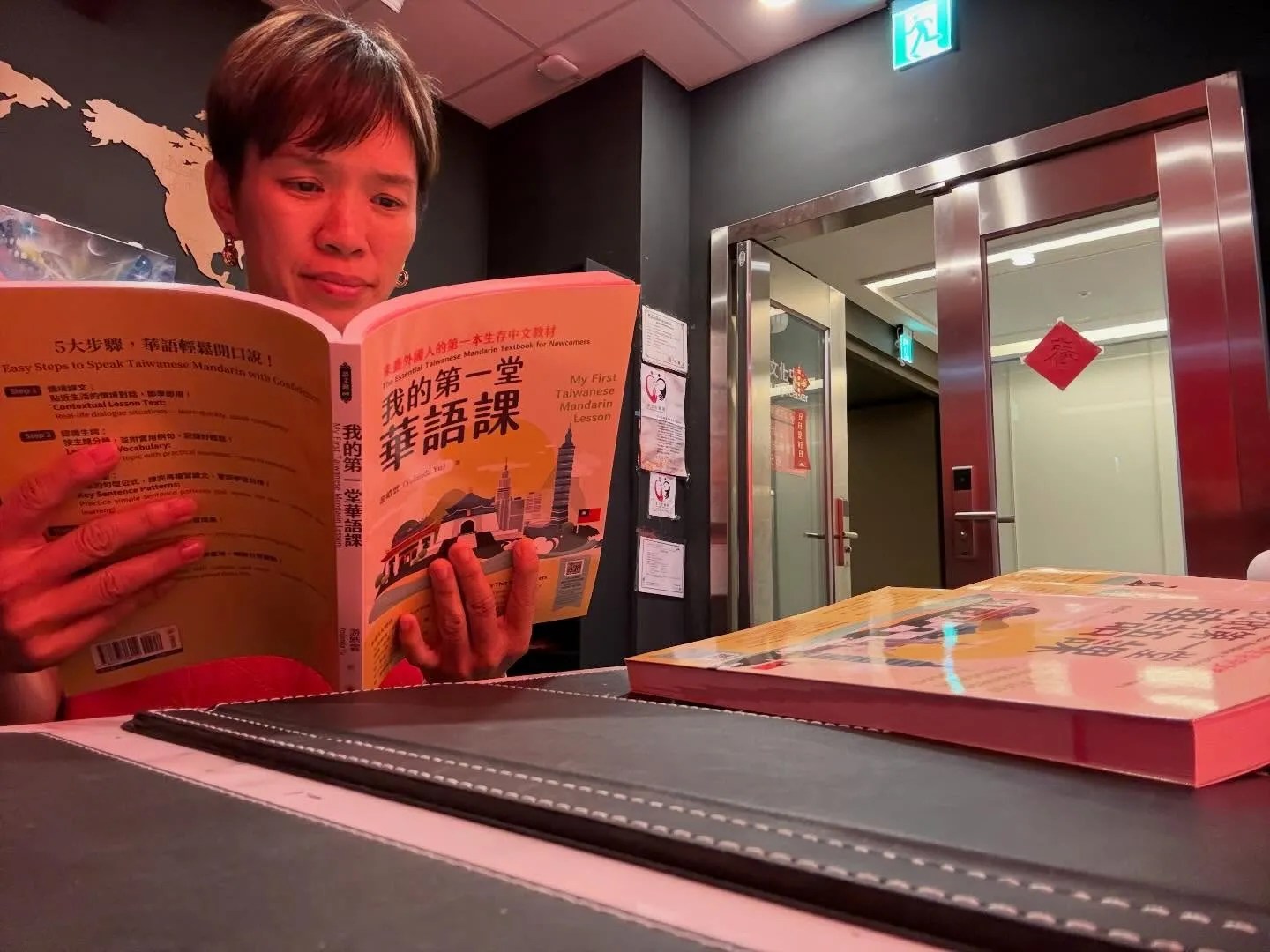
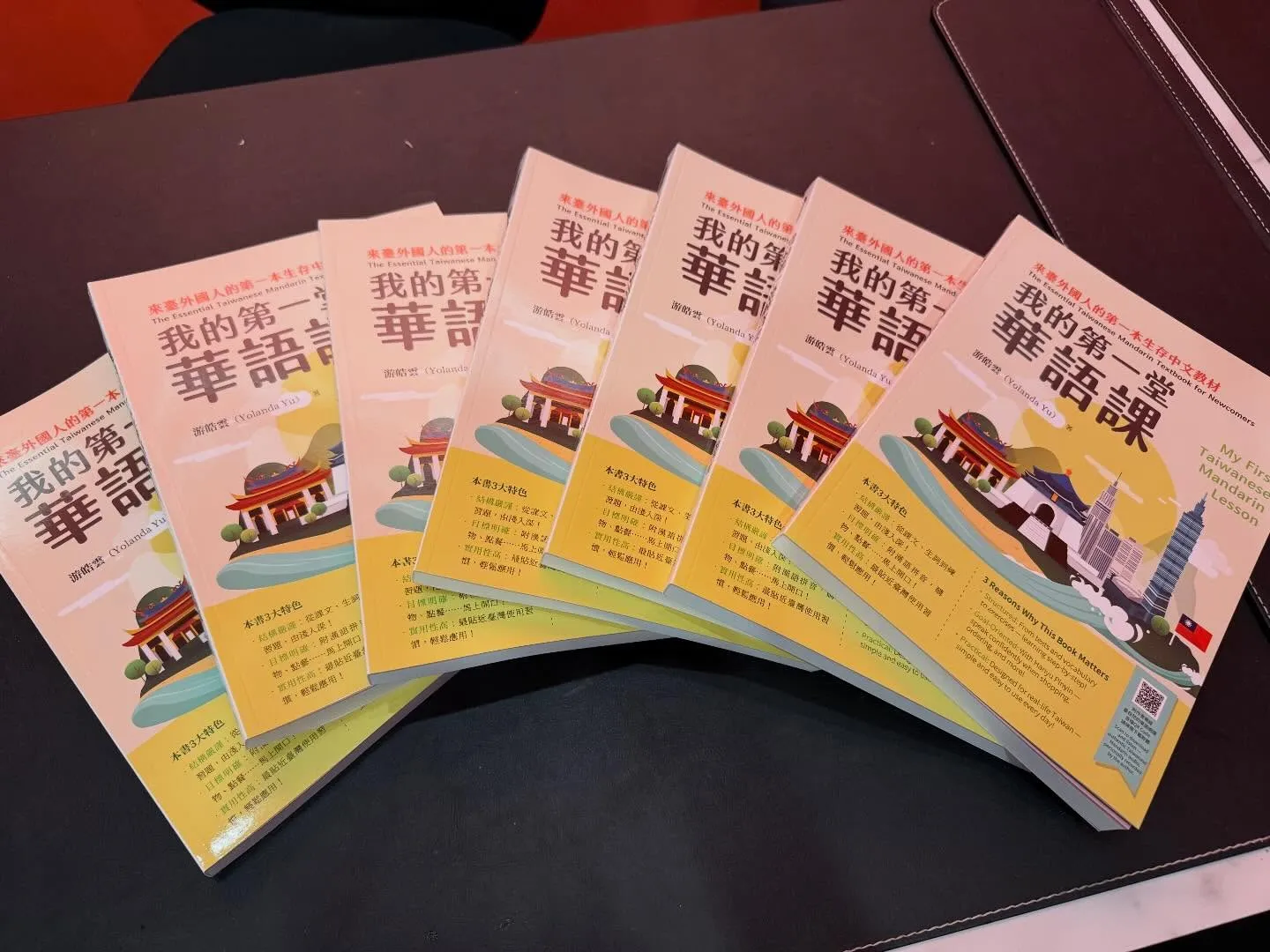
The Essential Taiwanese Mandarin Textbook for Newcomers (English Version)
2025 Dec 27 多語學習 外國人學中文
This book is written for the following groups of Taiwanese Mandarin learners:
1. Those who come to Taiwan for short-term business trips, study programs, or academic visits.
2. Those who have just arrived in Taiwan and plan to settle down.
3. Digital nomads who plan to stay and live in Taiwan for a period of time.
4. Learners who wish to study Taiwanese Mandarin but cannot commit to regular weekly classes.
5. Students already taking Taiwanese Mandarin courses who find traditional textbooks too heavy and wish for lighter, practical content.
6. Taiwanese Mandarin teachers who teach learners from the above groups.
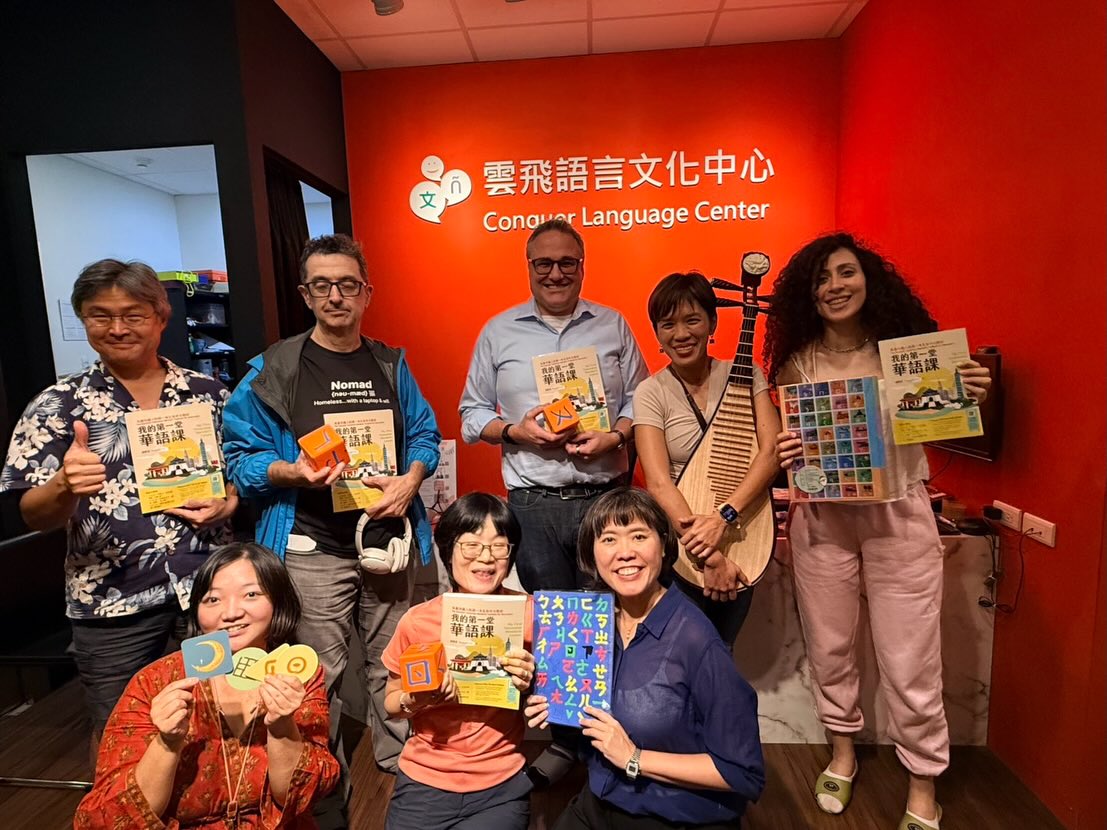
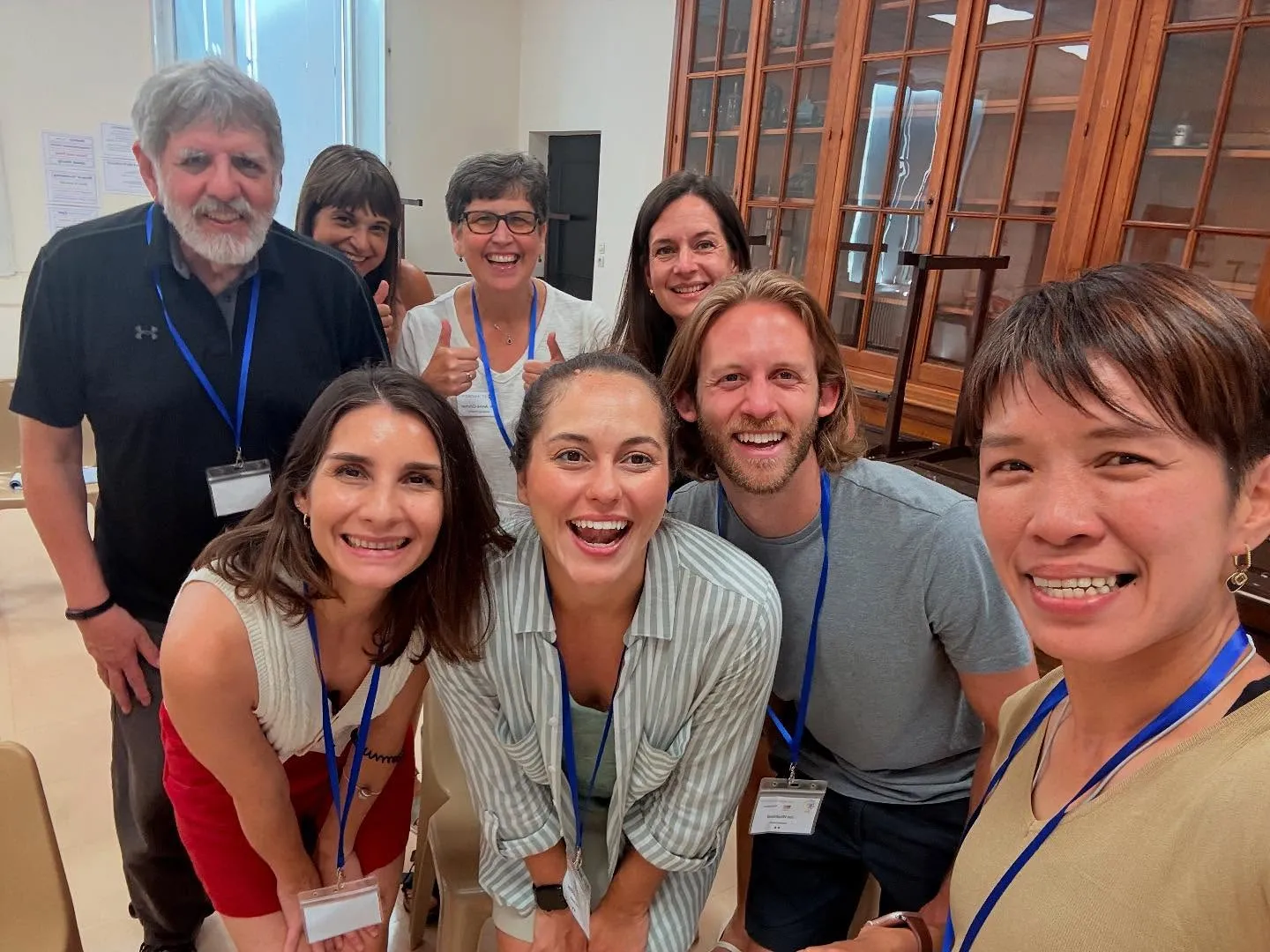
In November 2025, international participants attending a short-term multilingual conference in Taiwan can use this book to quickly learn basic conversational Chinese.
According to data from 2025, there are approximately 800,000 to 900,000 foreigners working in Taiwan, including both professionals and labor workers.
However, most Taiwanese Mandarin textbooks available in Taiwan are designed for full-time students who can study intensively for more than 8 hours per week. Their structure tends to follow grammatical difficulty rather than real-life needs.
As a result, many practical questions foreigners face during their first week in Taiwan—such as “How long have you been in
Taiwan?”, “How do I use an EasyCard or e-invoice carrier?”, or “What’s the difference between Zhuyin and Hanyu Pinyin?”—are only introduced in much later lessons.
Having taught Taiwanese Mandarin for nearly 20 years—and being married to someone who has long worked in Taiwan—I have discovered that working adults who study Mandarin part-time need a very different type of textbook:
1. Short texts that meet survival needs:
Dialogues set in everyday places—like convenience stores, drink shops, Taiwanese restaurants, and cafés—help learners use simple Taiwanese Mandarin to express basic needs, apply what they learn immediately, and build confidence through real communication.
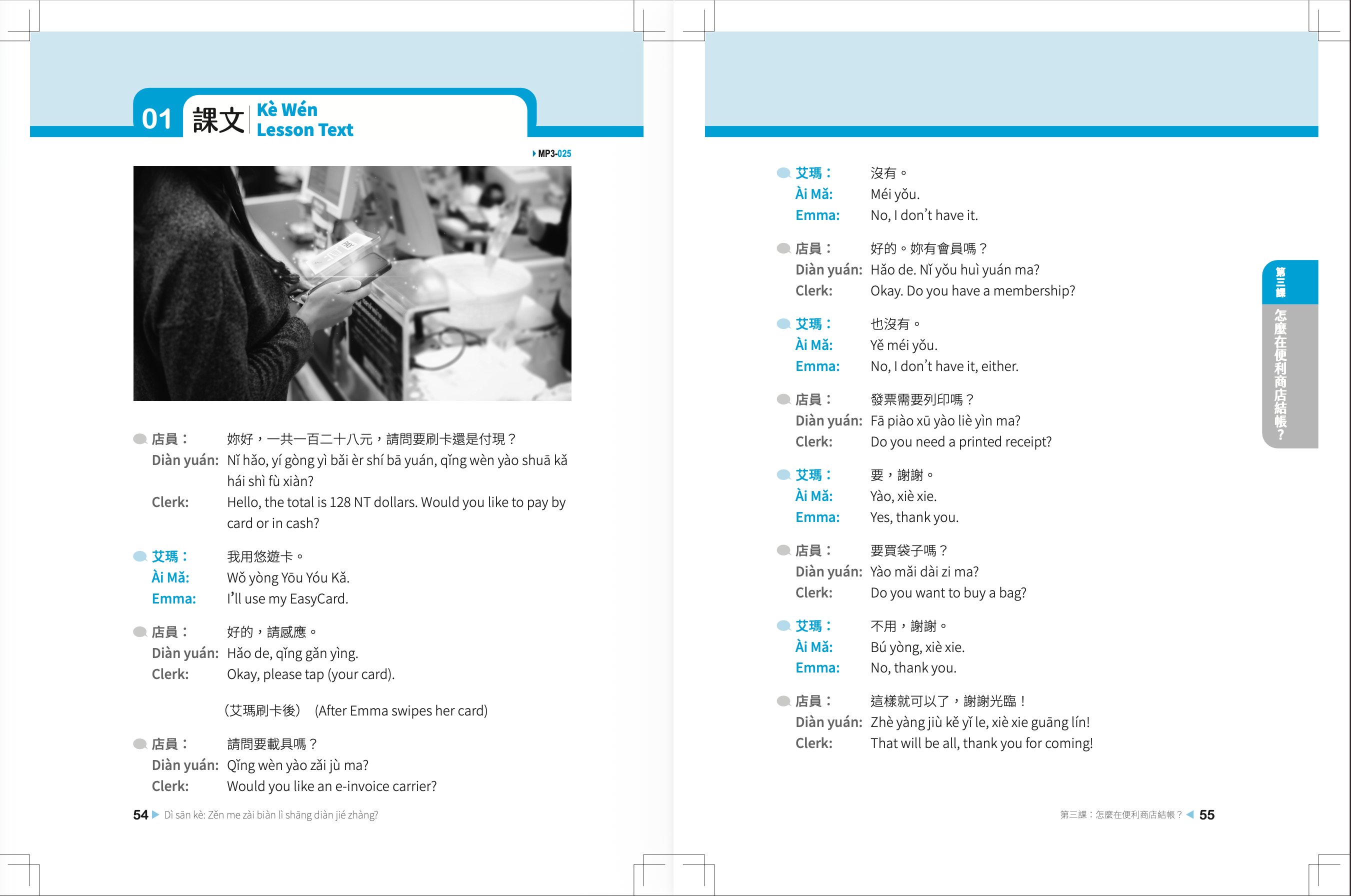
2. Short dialogues relevant to workplace adults:
Office scenes such as self-introductions or discussing Taiwan’s Zhuyin keyboard help learners engage with colleagues using very simple Taiwanese Mandarin, making the first step toward workplace communication and connection.
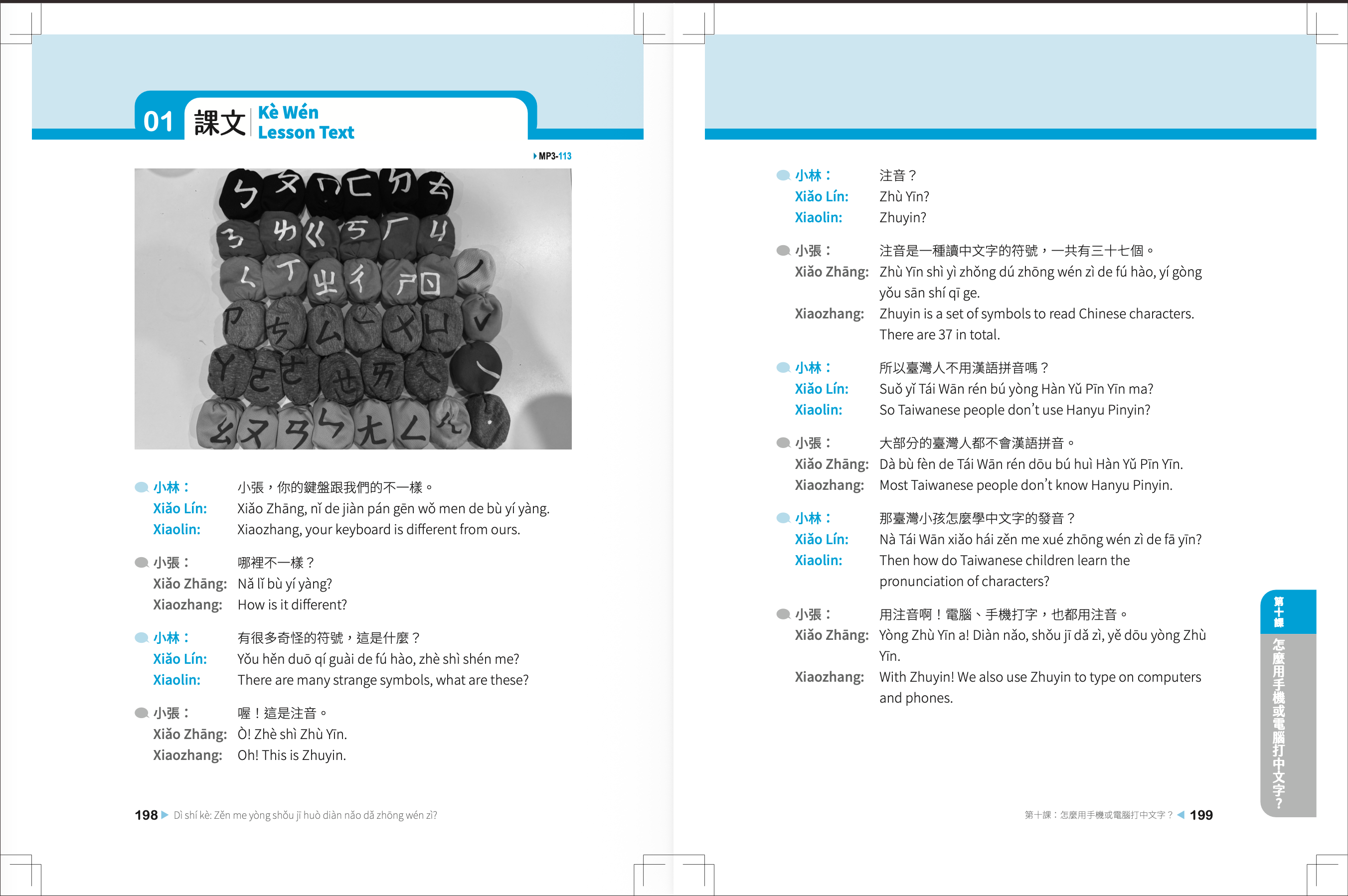
3. Short social exchanges that connect to local culture:
Topics such as Taiwan’s transportation system, safe living environment, and high convenience level allow learners to engage in meaningful cultural conversations, form local connections, and develop a sense of belonging in Taiwan.
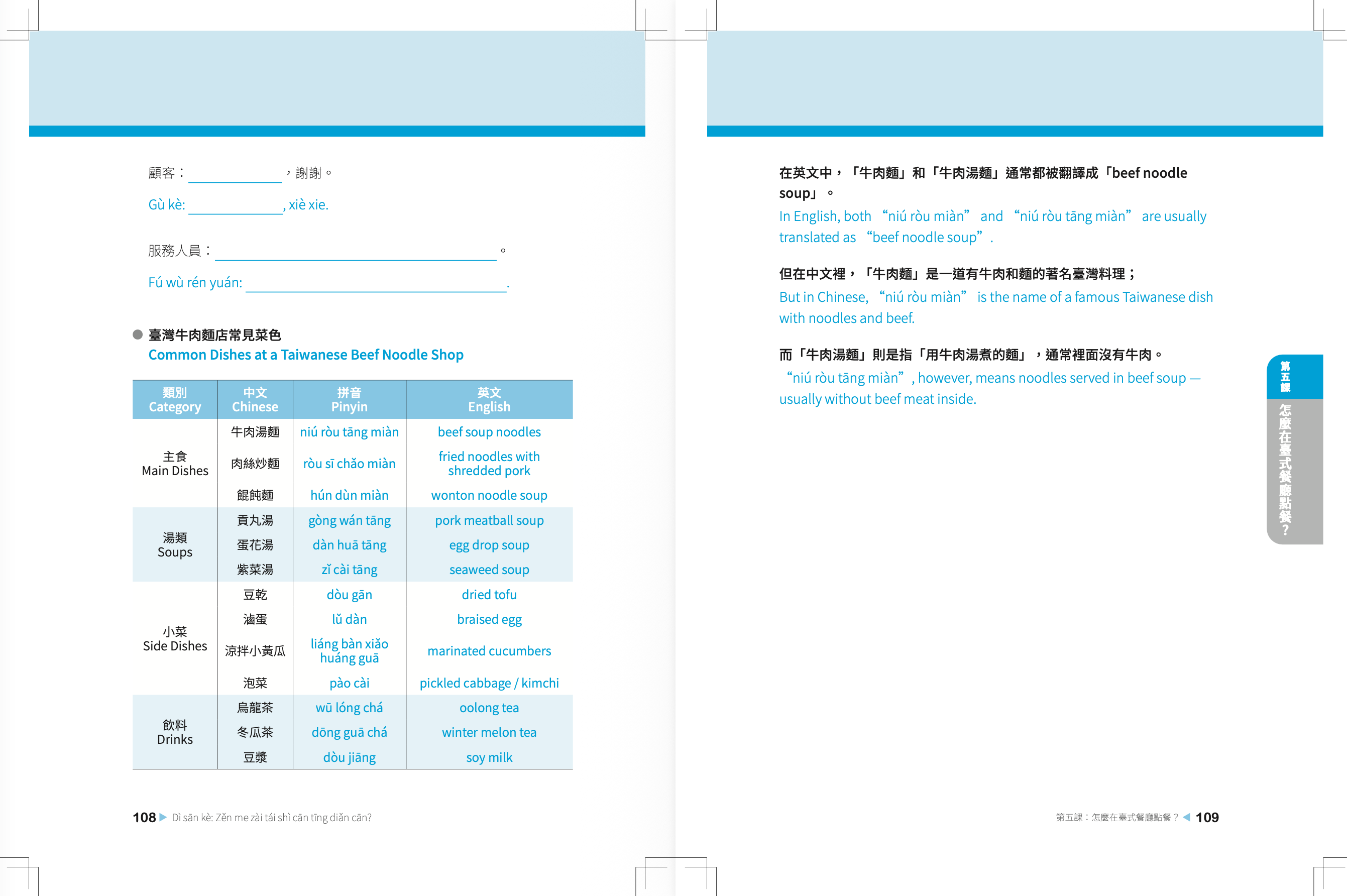
4. Simplified grammar explanations:
Some grammar points, such as “le ( 了 )”, are challenging for beginners. Yet even a simple sentence like “I’ve been in Taiwan for three days” can already enable meaningful interaction. This book offers practical shortcuts that allow learners to communicate effectively and feel a stronger sense of achievement.
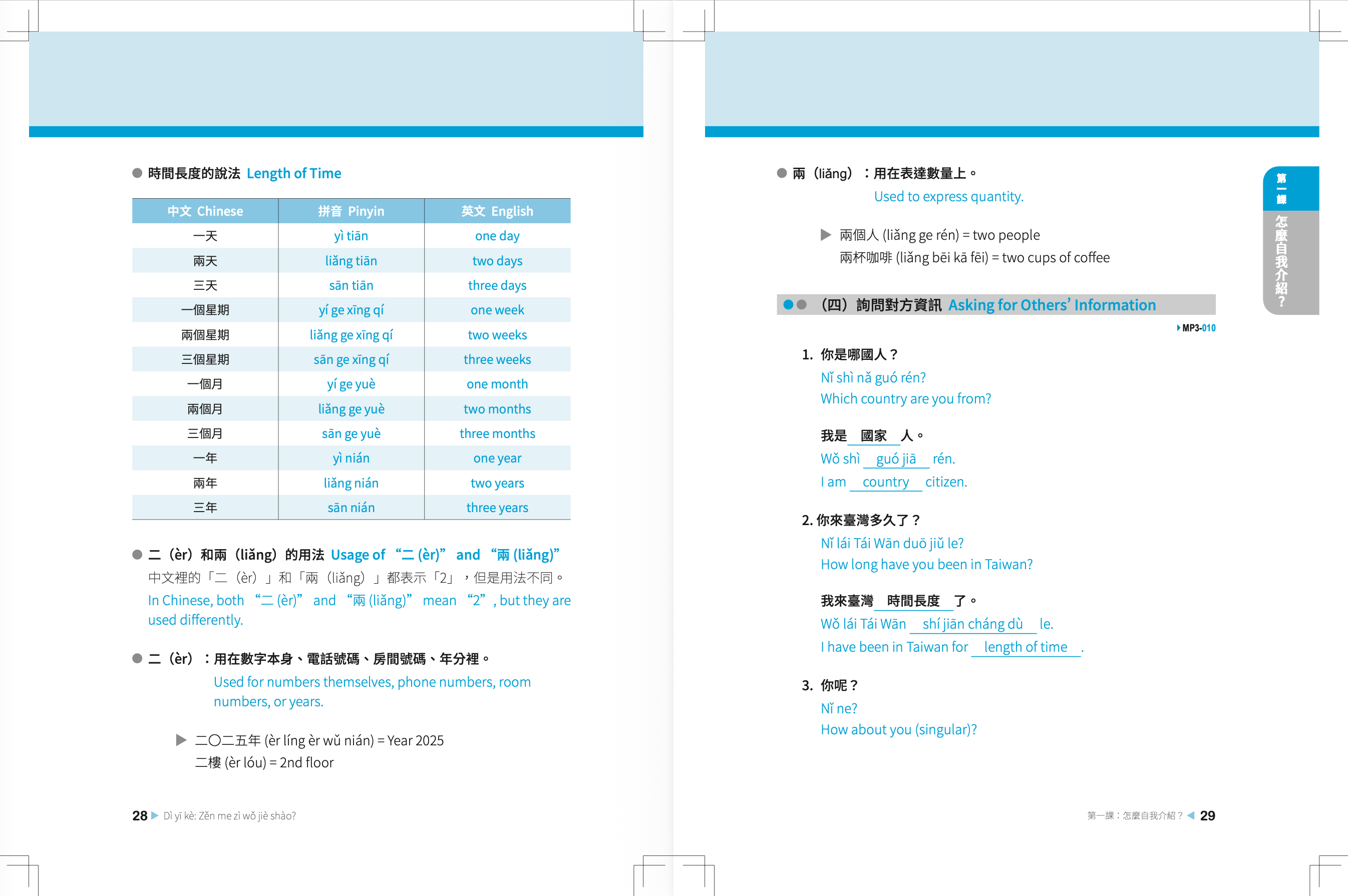
5. Short, repetitive but engaging practice:
Each lesson includes exercises that can be completed within 30 minutes. While some activities are intentionally repetitive, this repetition helps beginners internalize new language patterns naturally.
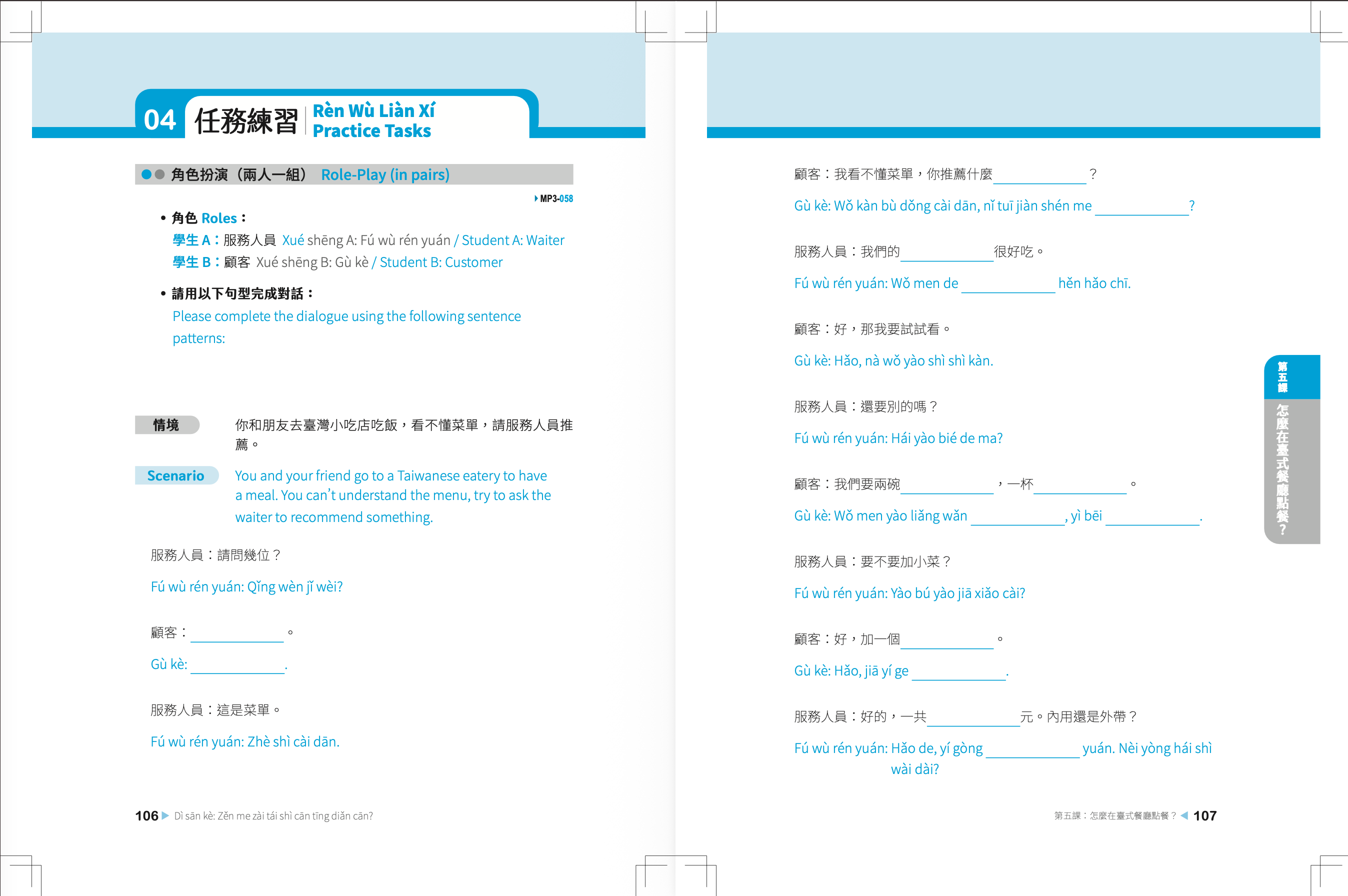
The book includes texts, vocabulary, sample sentences, exercises, and answer keys—all fully annotated with Hanyu Pinyin. Learners who are not yet ready to read characters can still study effectively. All practice tasks can be completed using Pinyin, audio, or video recordings, offering maximum flexibility.
At the end of each lesson, a short “Cultural Note” provides background on Taiwanese habits and perspectives. Though slightly above beginner level, its purpose is cultural, not grammatical. Advanced learners can use it to deepen discussions with locals, while beginners can gain cultural awareness and new topics for conversation with Taiwanese and international friends.
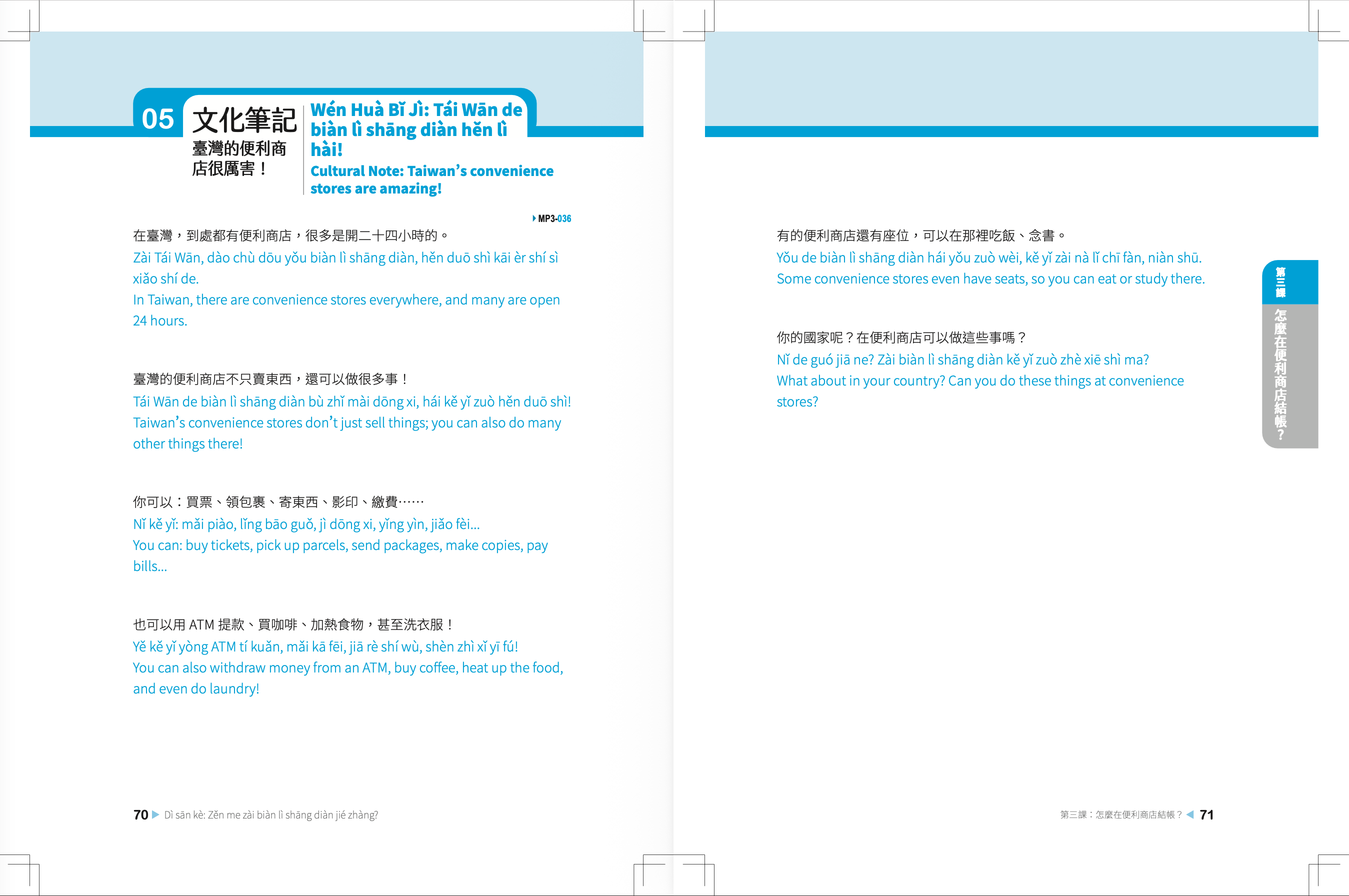
In short, this book is structured around the real-life conversations that foreigners in Taiwan most urgently need. Learners are encouraged to start communicating right away with simple Taiwanese Mandarin sentences.
Once confident in speaking, they can naturally revisit grammar, reading, and writing—with stronger motivation and better results.
May more international friends in Taiwan rediscover the essence of language learning—starting from listening and speaking. Even without focusing on reading and writing at first, learners can confidently useTaiwanese Mandarin, integrate into daily life, and enjoy the joy of truly connecting with this beautiful island.
Yu Hao Yun (Yolanda Yu)
Founder, YunFei Language & Culture Center, Hsinchu
Print Book Order Page
E-Book Order Page (Readmoo)
E-Book Order Page (HyRead)



如想留言評分,請先 登入會員!